How to Optimize Health Outcomes for a Smart Home
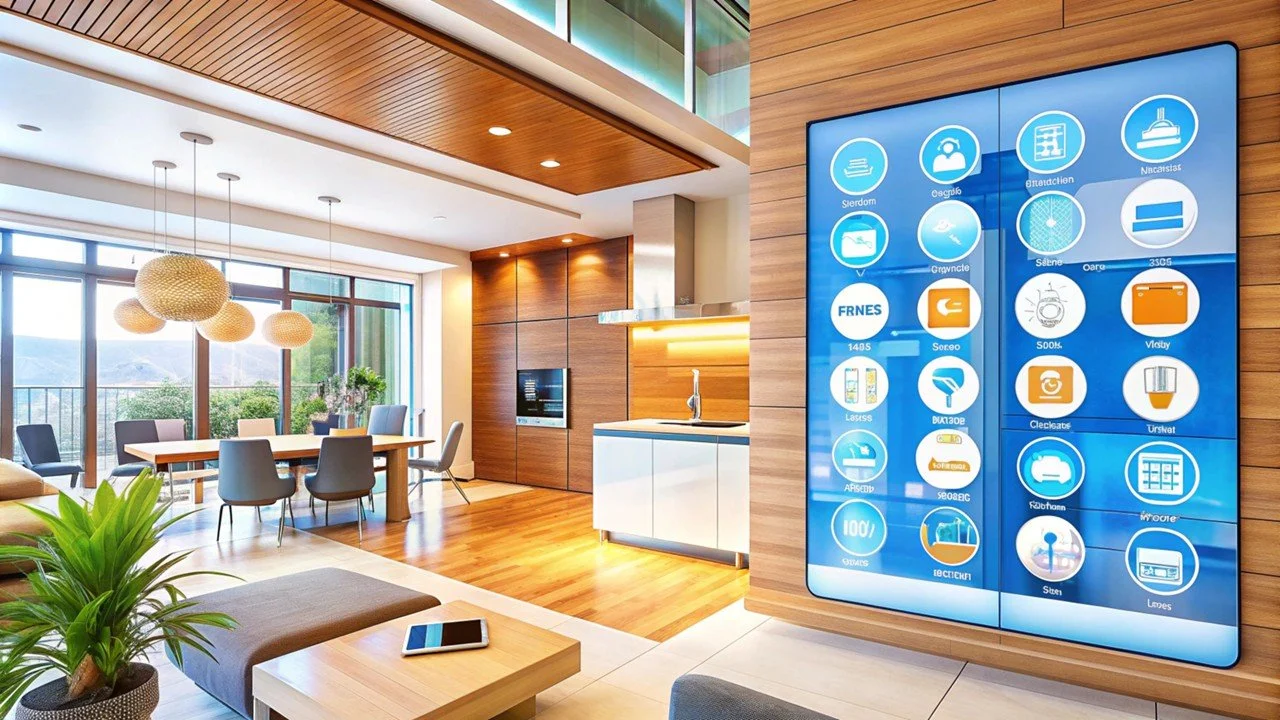
After reading this article, you will be able to identify the optimal components of Smart Home Health Optimization.
SUMMARY:
Health technology within the home can enhance personalized and proactive care.
Numerous challenges exist, including data collection and integration, analytics, implementation, and interventions.
A multidisciplinary approach is needed to address the numerous challenges of smart home care.
Goals of Smart Home Integration
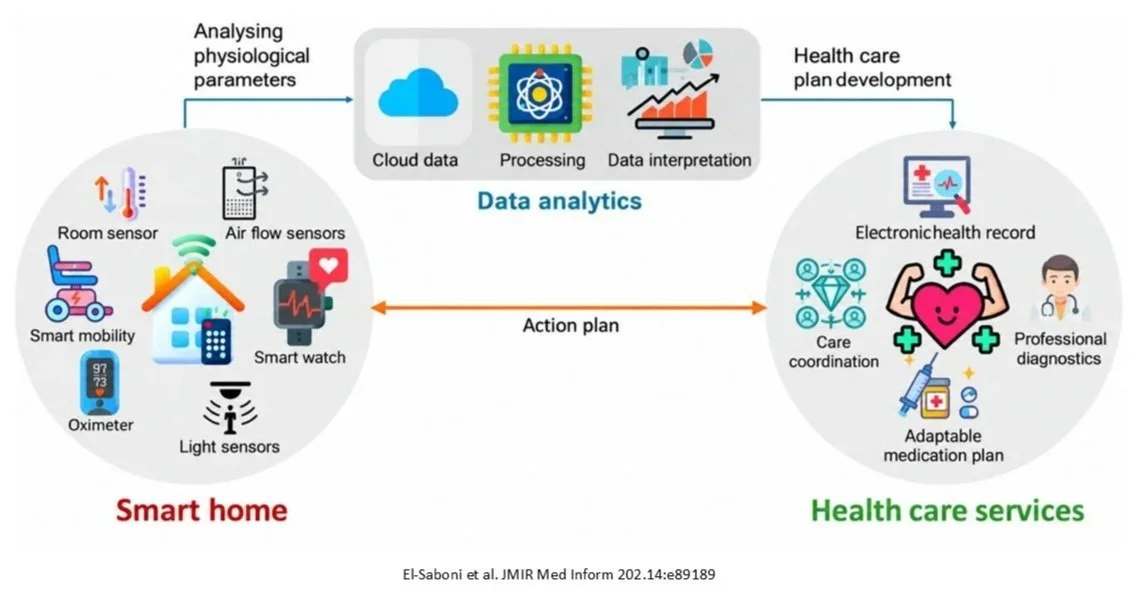
Early detection with continuous passive monitoring
Improved trend monitoring of healthcare indicators to detect change
Shift home care from reactive to predictive care with rapid, relevant interventions.
Smart Home Complexity
Smart Home healthcare consists of a wide range of technologies, including:
Sensors
Environmental
Activity
Infrared
Voice-activated
Radar sensors
Flooring and vibration
Smartphone apps
Wearables (including textiles, garments, and skin)
Intelligent software
Physiological monitors ( vital signs and chemistries)
Levels of Smart Home Complexity
Foundational – Basic technologies
Connected – Integrated systems with centralized hub
Intelligent – Automated responses to patient needs
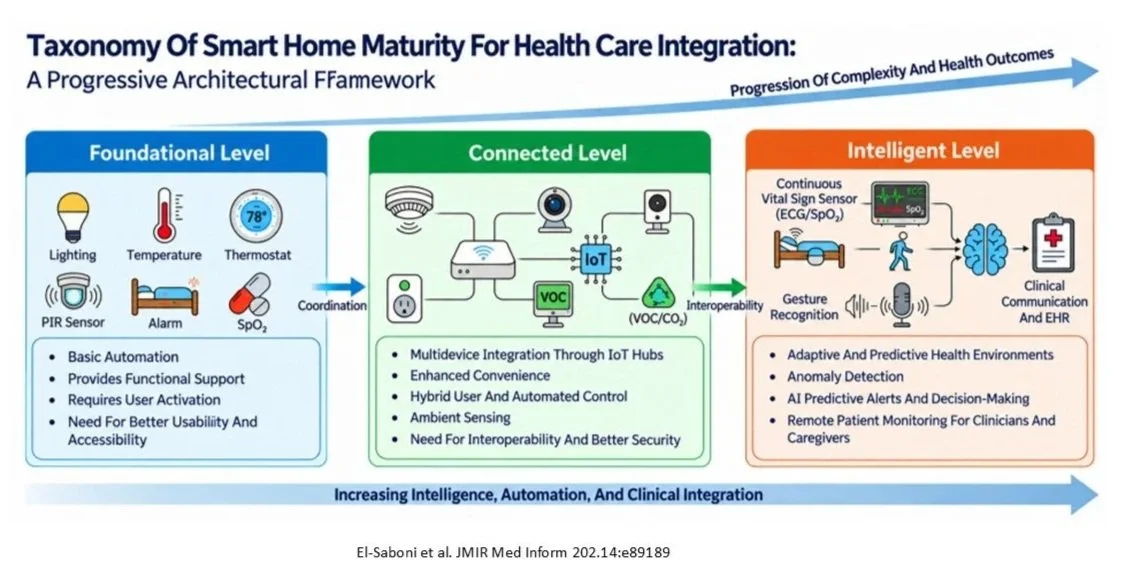
A single-parameter sensor is not enough to provide complete patient management
Broad biomedical sensors and AI-driven data processing are needed to deliver intelligent, responsive care.
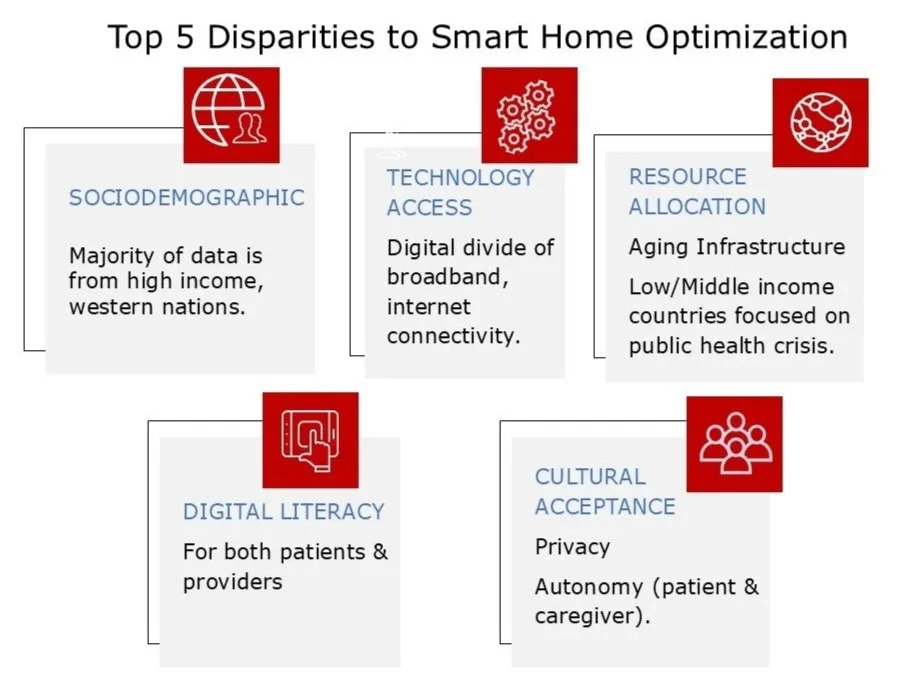
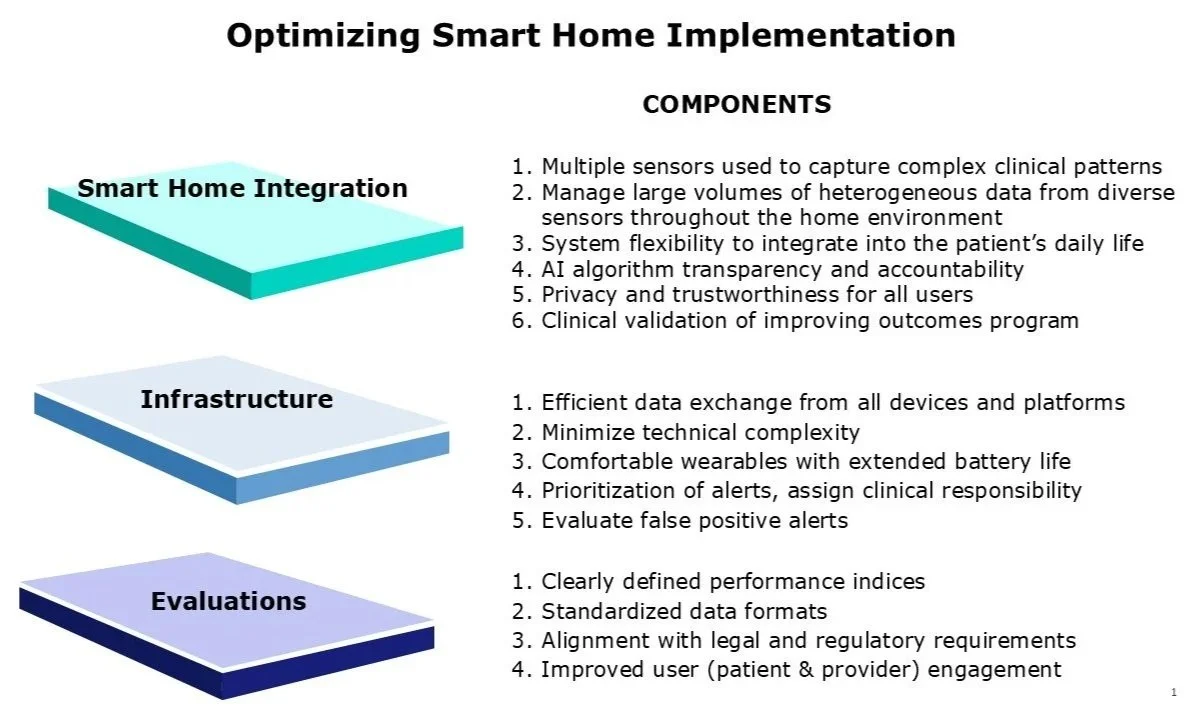
Optimizing Smart Home Implementation
Smart Home Integration
Infrastructure
Evaluations
CONCLUSIONS:
Single-parameter sensors are not enough.
Multiple biomedical sensors enable extensive data collection and personalization of health interventions.
Effectiveness of a Smart Home Health System is dependent on the quality and quantity of input data.
Multiple data sources along with robust data processing and predictive algorithms, are preferred to provide a complete clinical view.
Technical, infrastructural, and personalization barriers need to be addressed to optimize smart home systems for long-term outcomes.